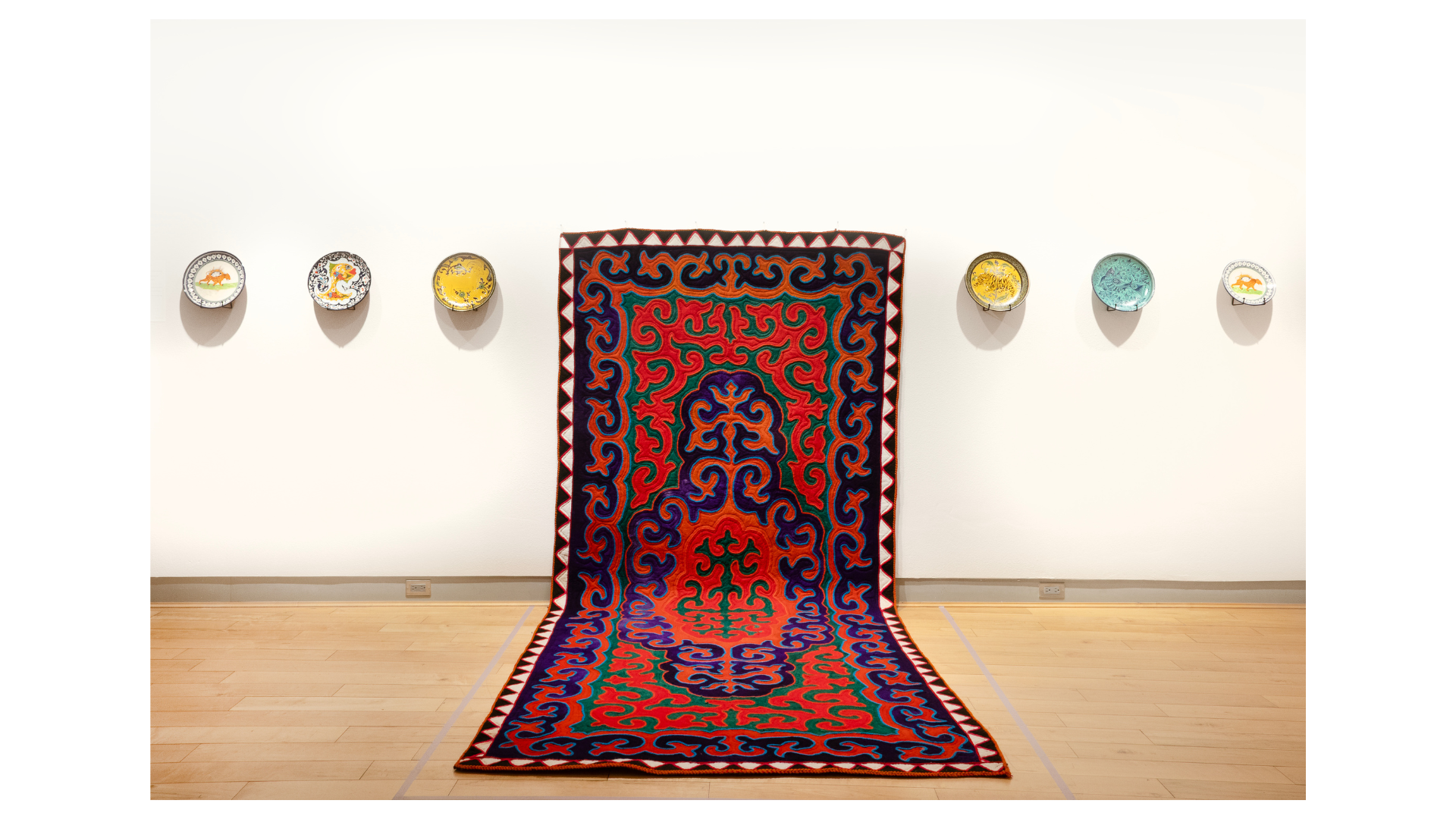
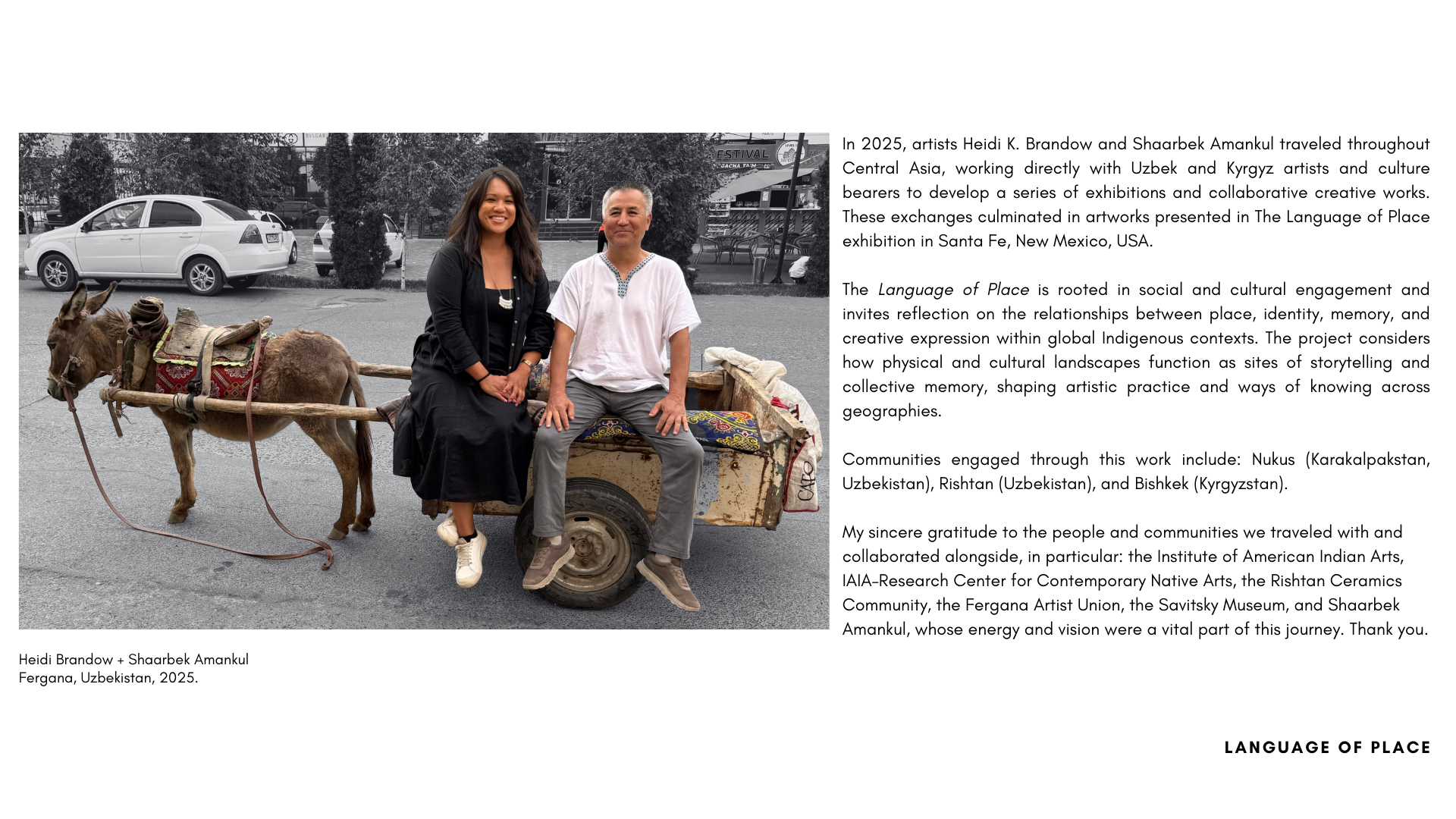
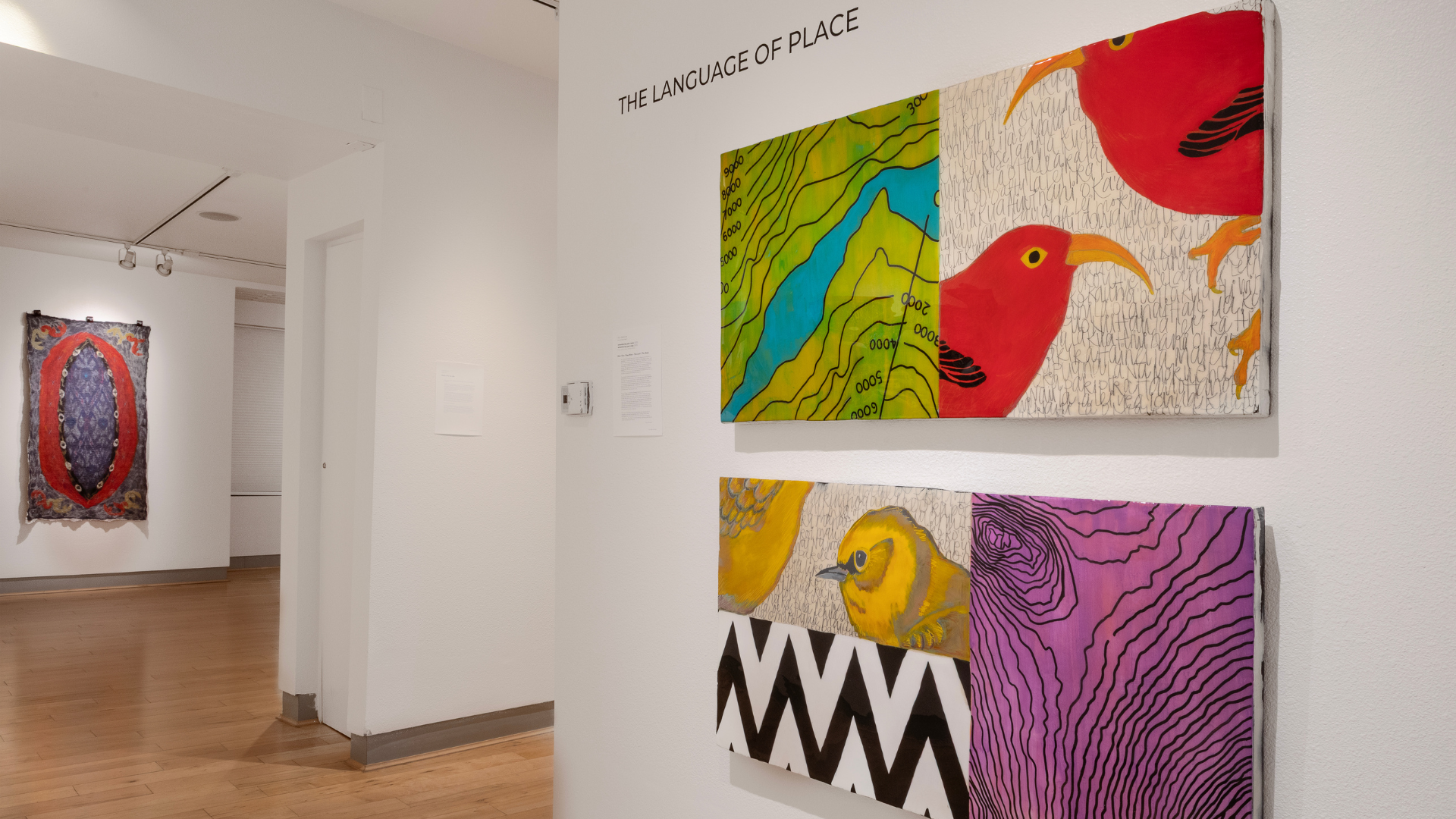
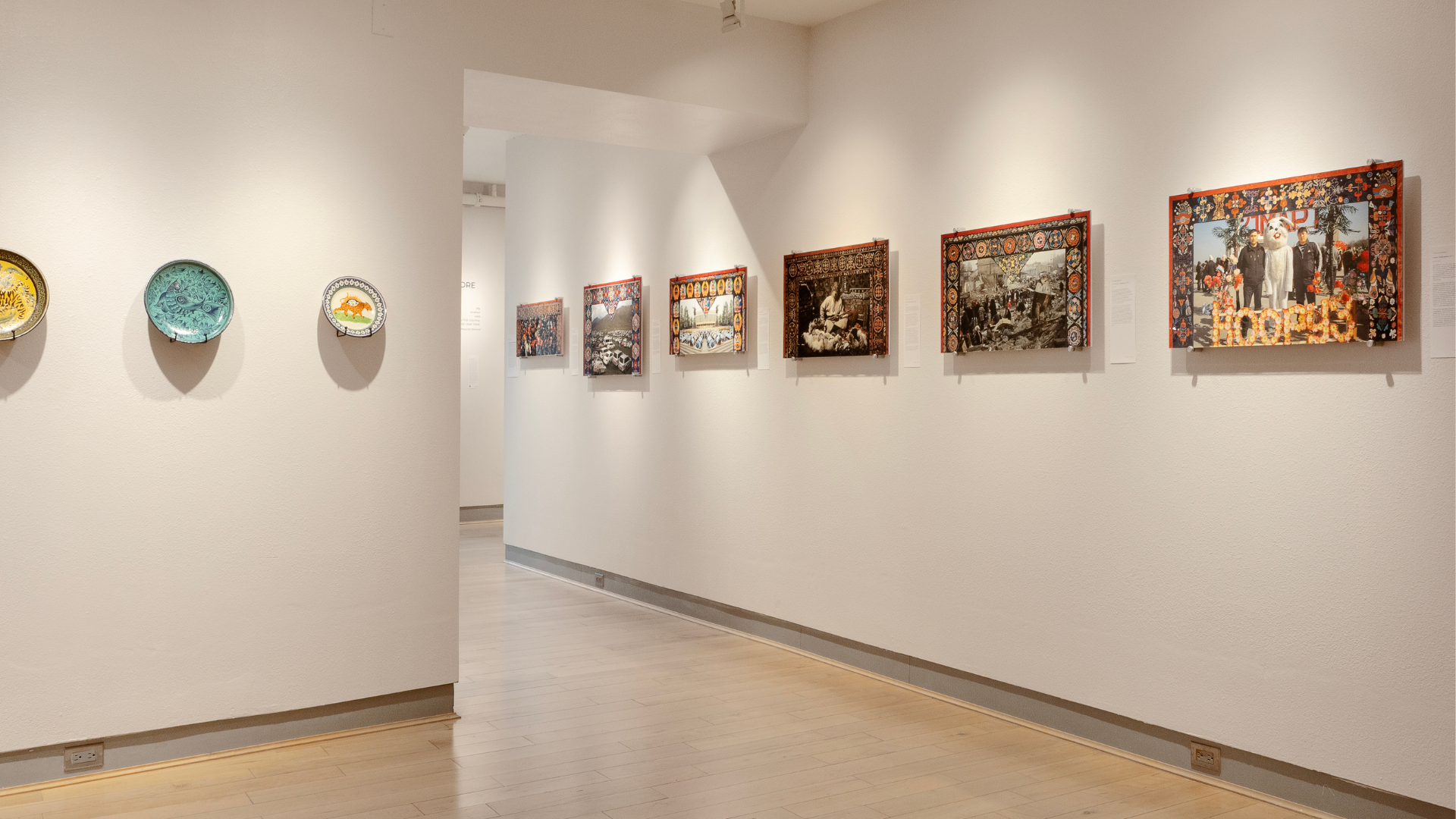
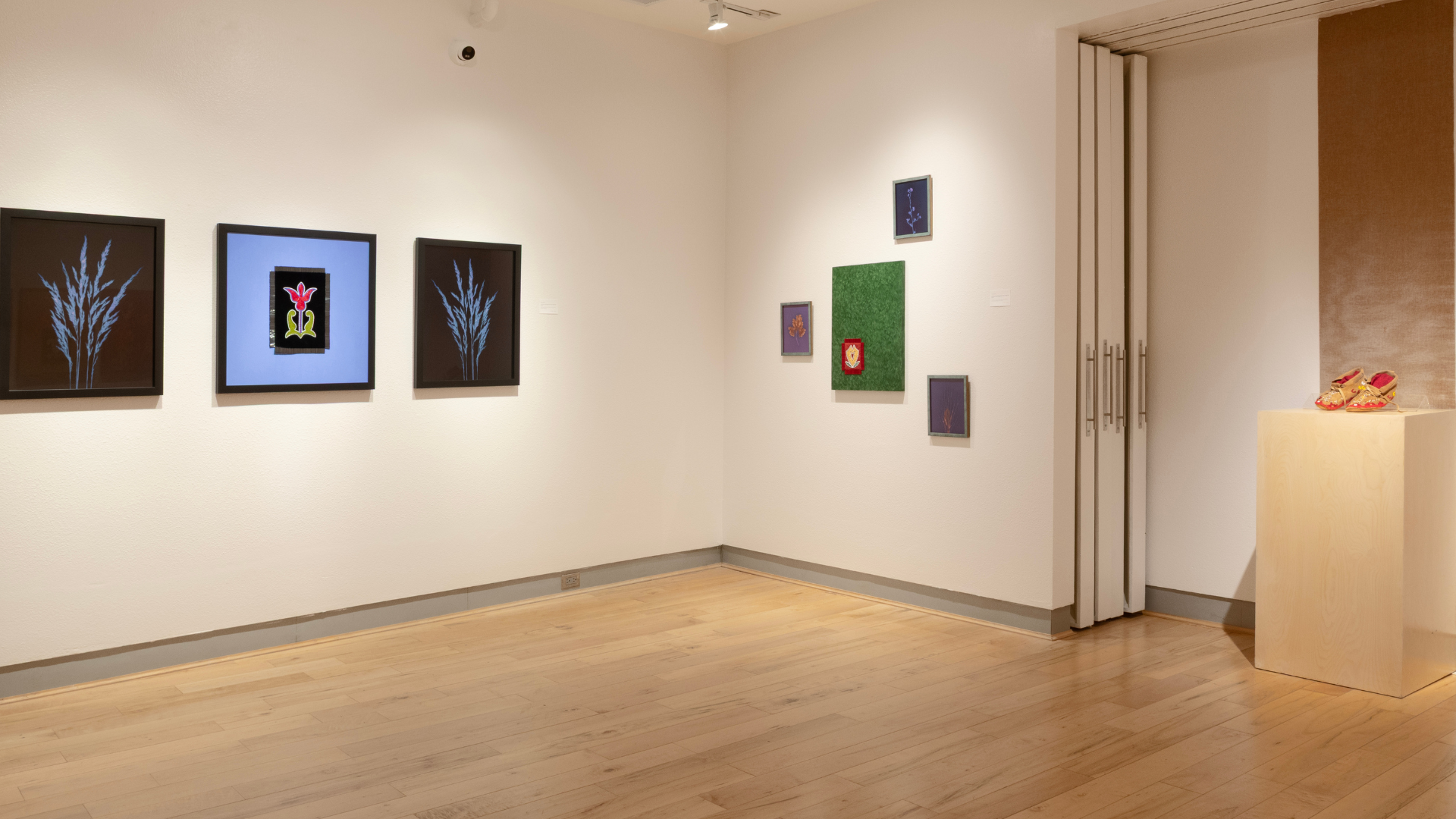
















Language of Place exhibition at Zane Bennett Contemporary Gallery, Santa Fe, NM. 2025
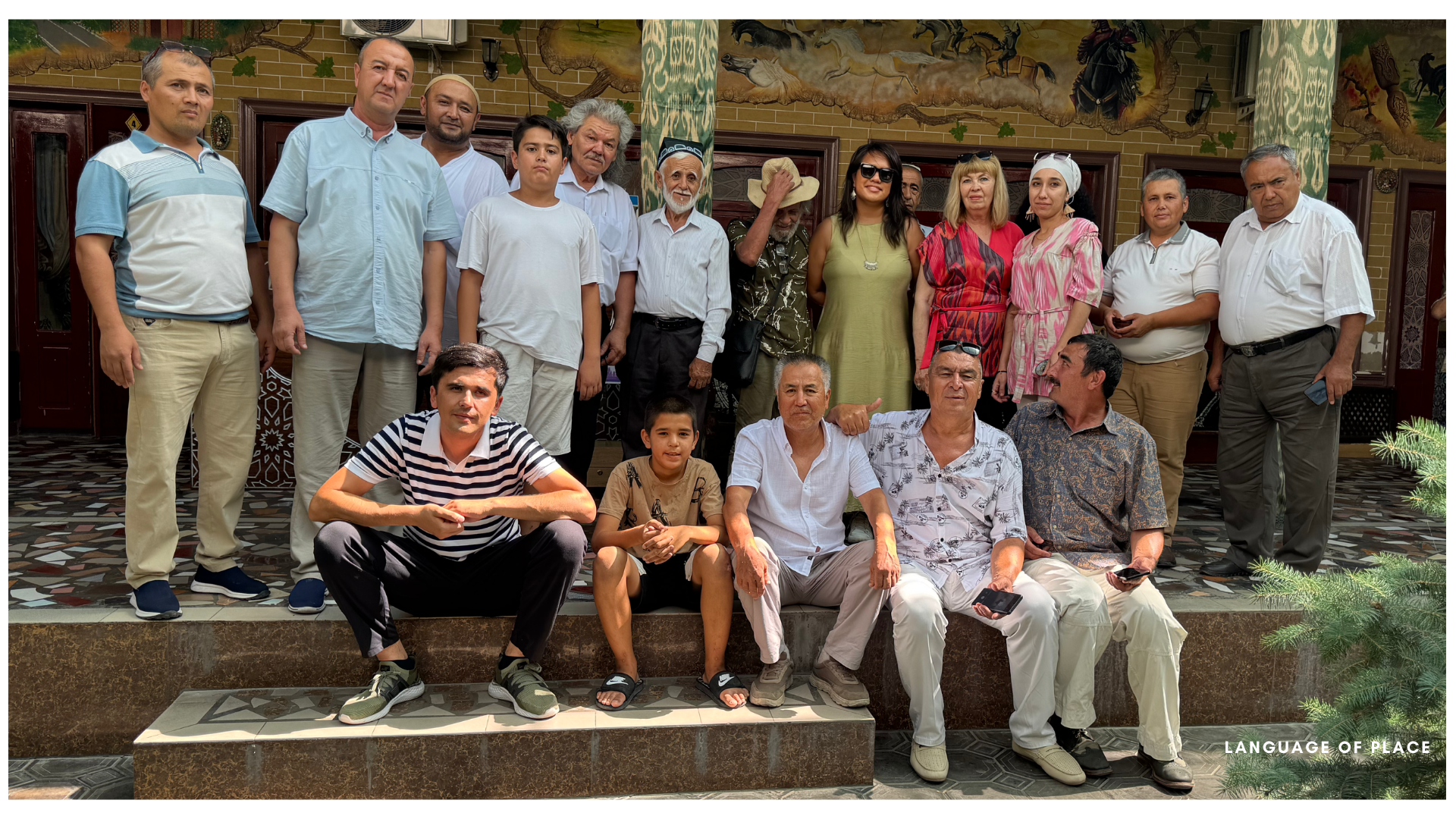
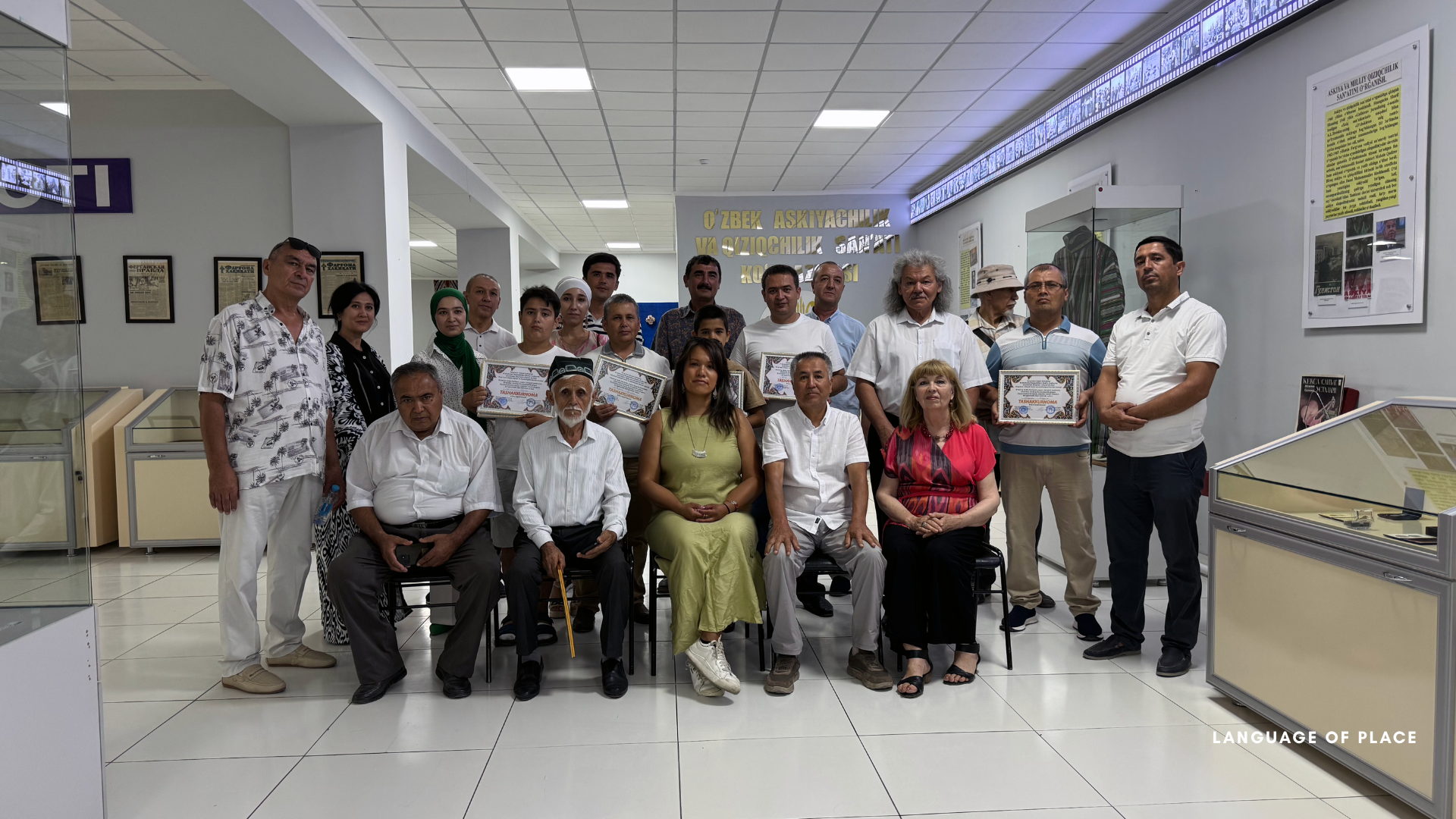
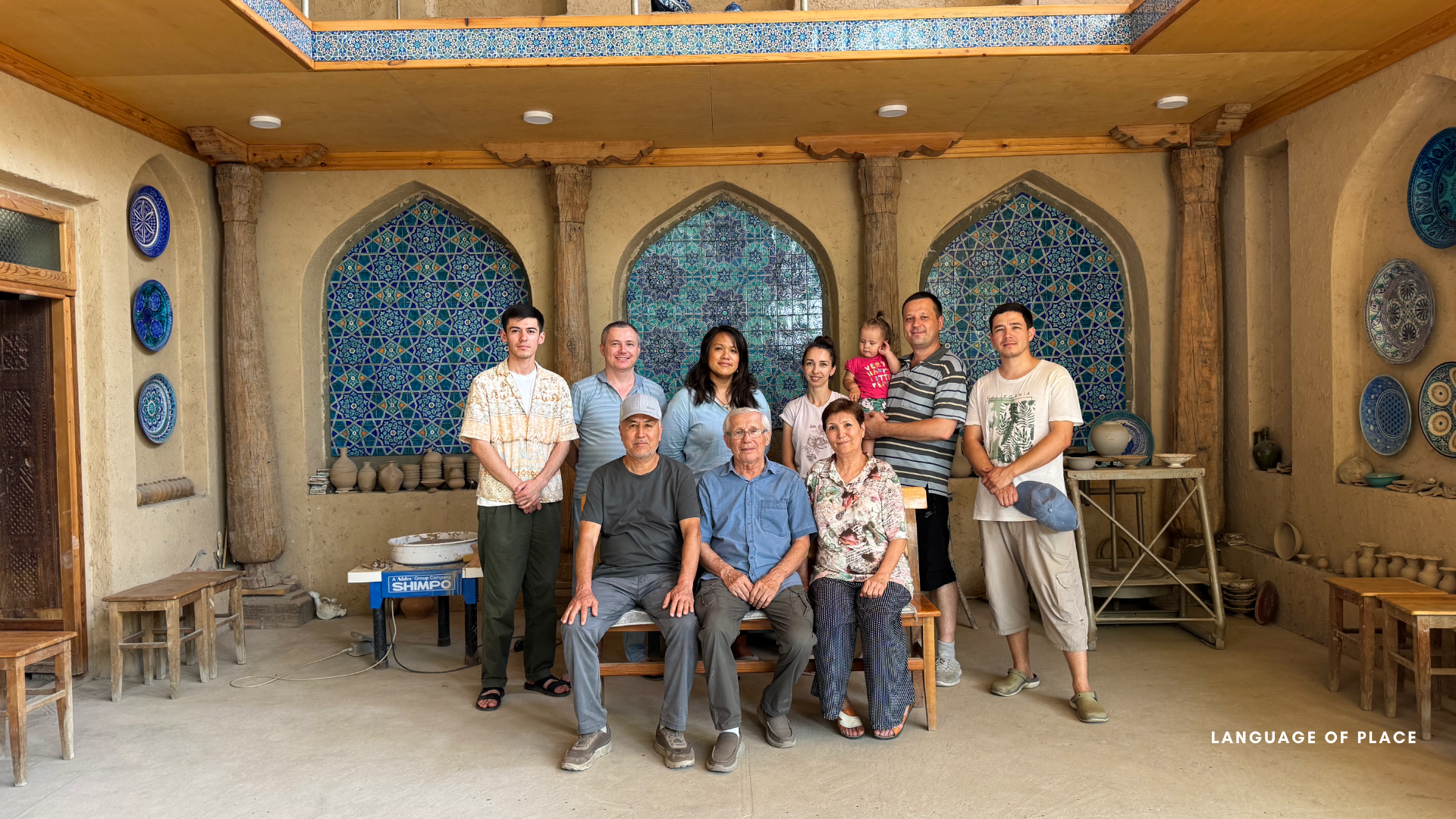
Generations of traditional ceramicists from Rishtan, Uzbekistan who were also collaborators in the Languge of Place project. Pictured post exhibition at Fergana, Uzbekistan. 2025.
Generations of traditional ceramicists from Rishtan, Uzbekistan who were also collaborators in the Languge of Place project. Pictured at an exhibition curated by Shaarbek Amankul + Heidi Brandow at Fergana, Uzbekistan. 2025.
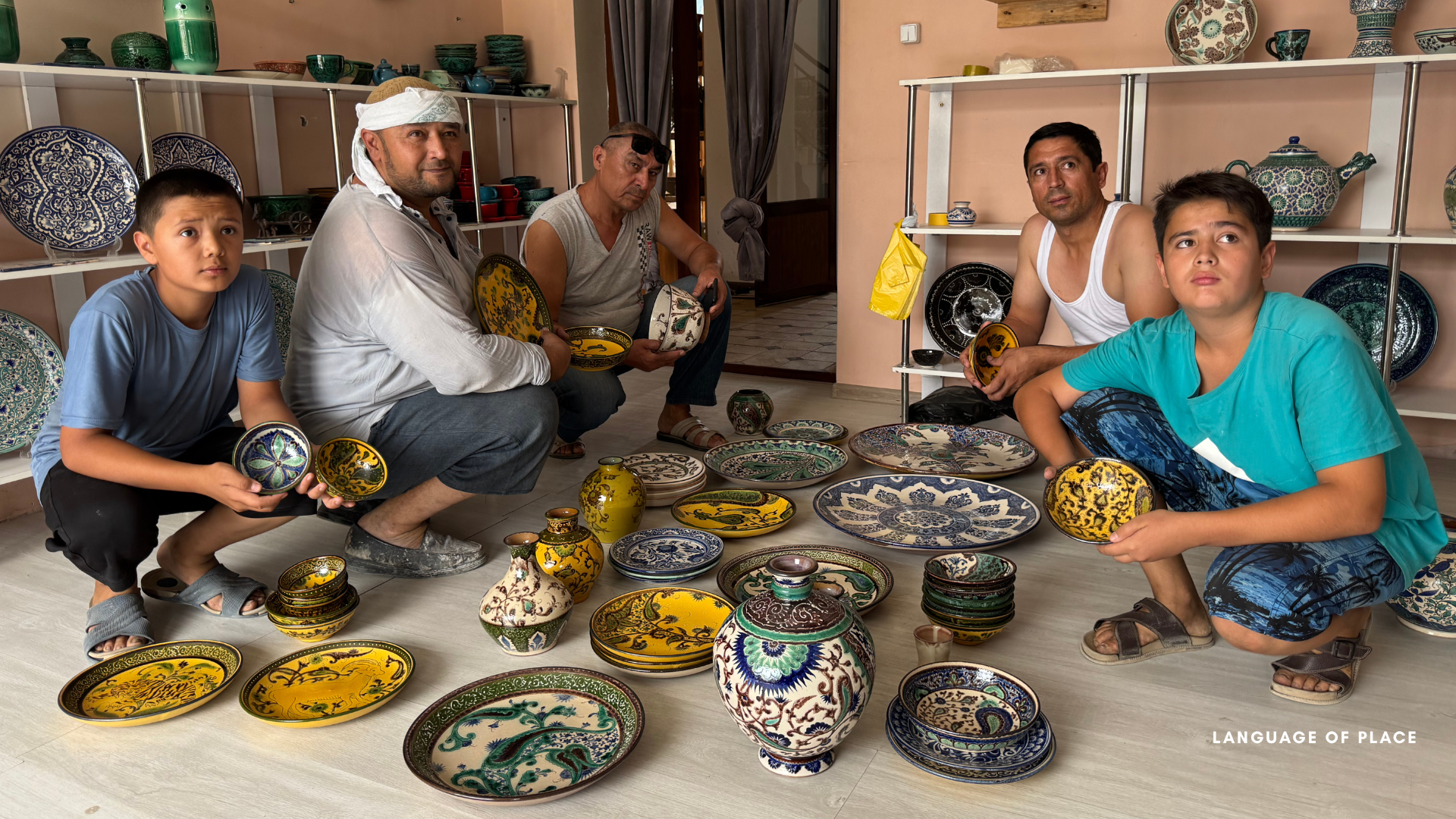
Generations of traditional ceramicists from Rishtan, Uzbekistan who were also collaborators in the Languge of Place project. Collaborative ceramics pieces were recently pulled from their kiln and are proudly displayed in their studio in Rishtan, Uzbekistan.
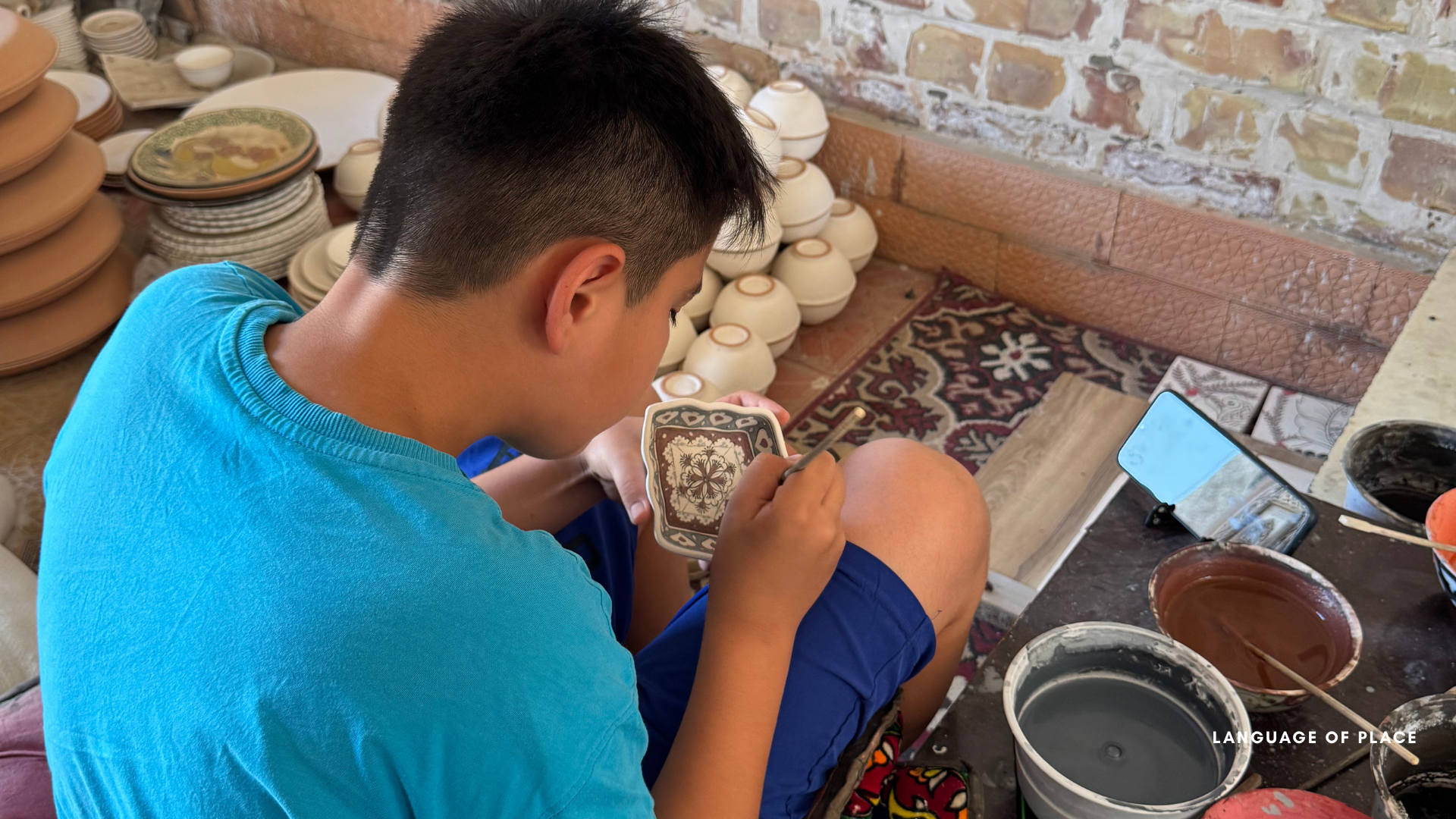
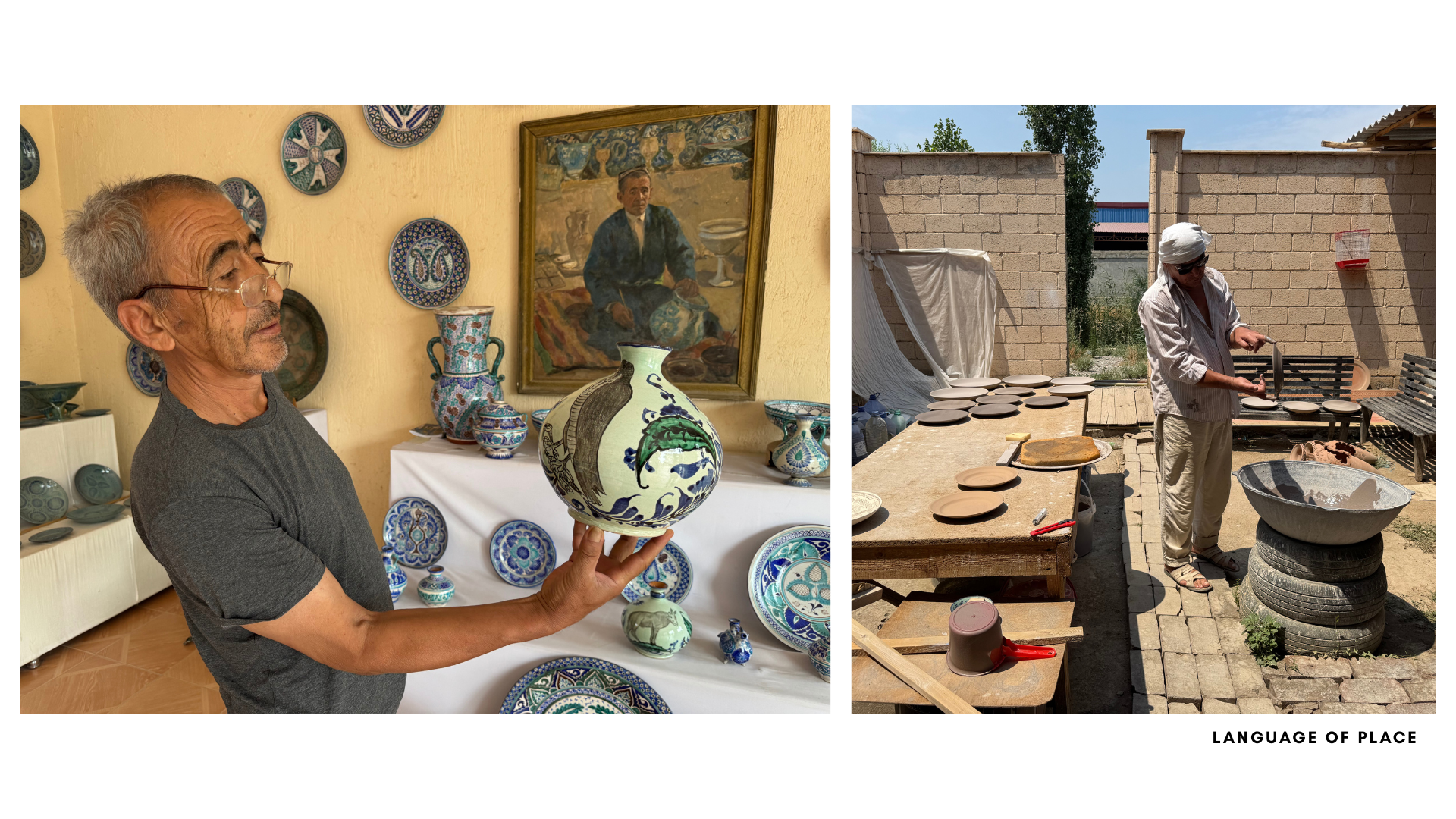
Generations of traditional ceramicists from Rishtan, Uzbekistan who were also collaborators in the Languge of Place project. In their studio in Rishtan, Uzbekistan.
Generations of traditional ceramicists from Rishtan, Uzbekistan who were also collaborators in the Languge of Place project. Collaborative ceramics pieces were recently pulled from their kiln and are proudly displayed in their studio in Rishtan, Uzbekistan.
Generations of traditional ceramicists from Rishtan, Uzbekistan who were also collaborators in the Languge of Place project.
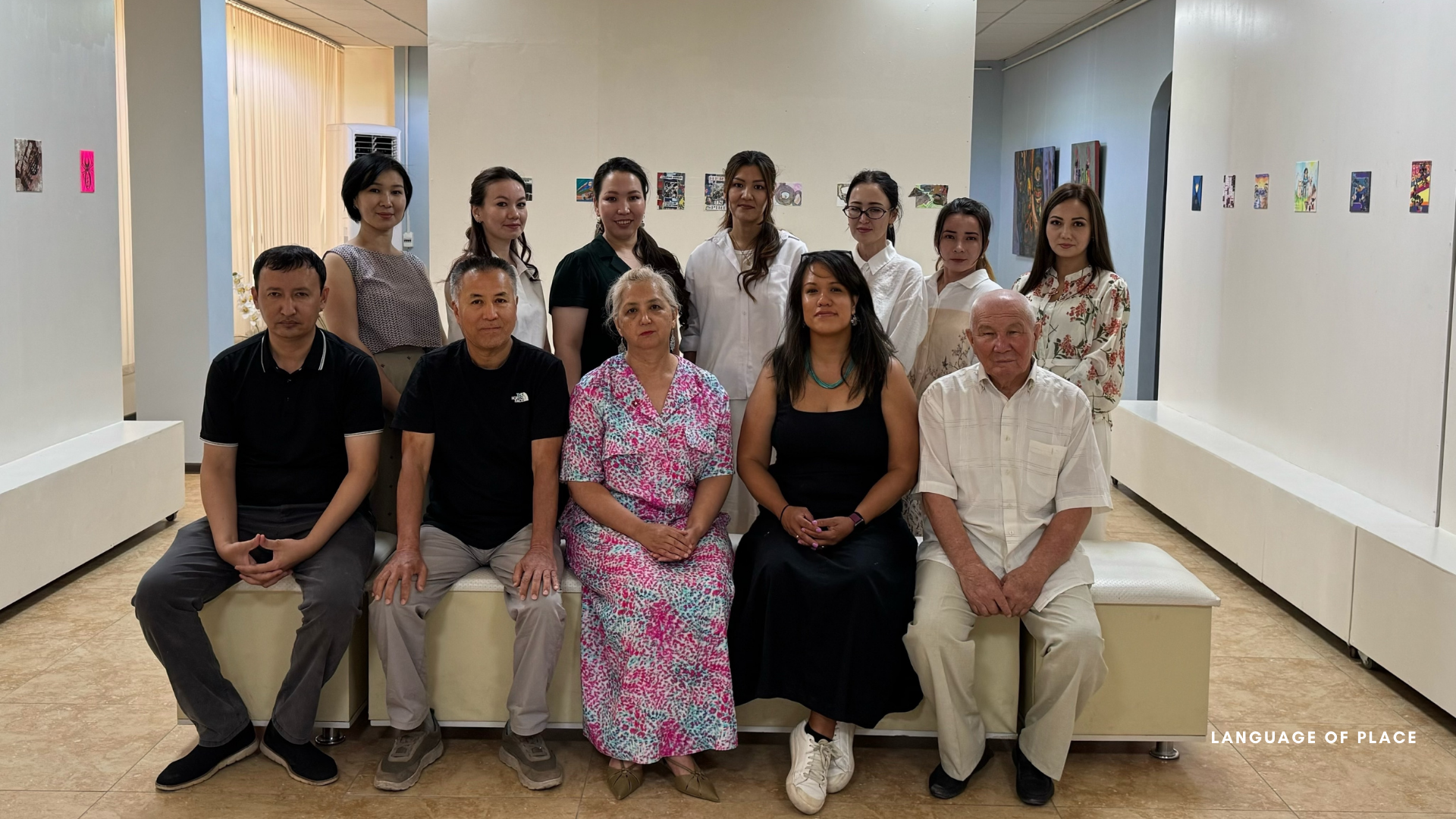
Artists, curators and academics from Nukus at an exhibition co-curated by Shaarbek Amankul + Heidi Brandow featuring the work of students from the Institute of American Indian Arts. Nukus, Karakalpakstan, Uzbekistan.
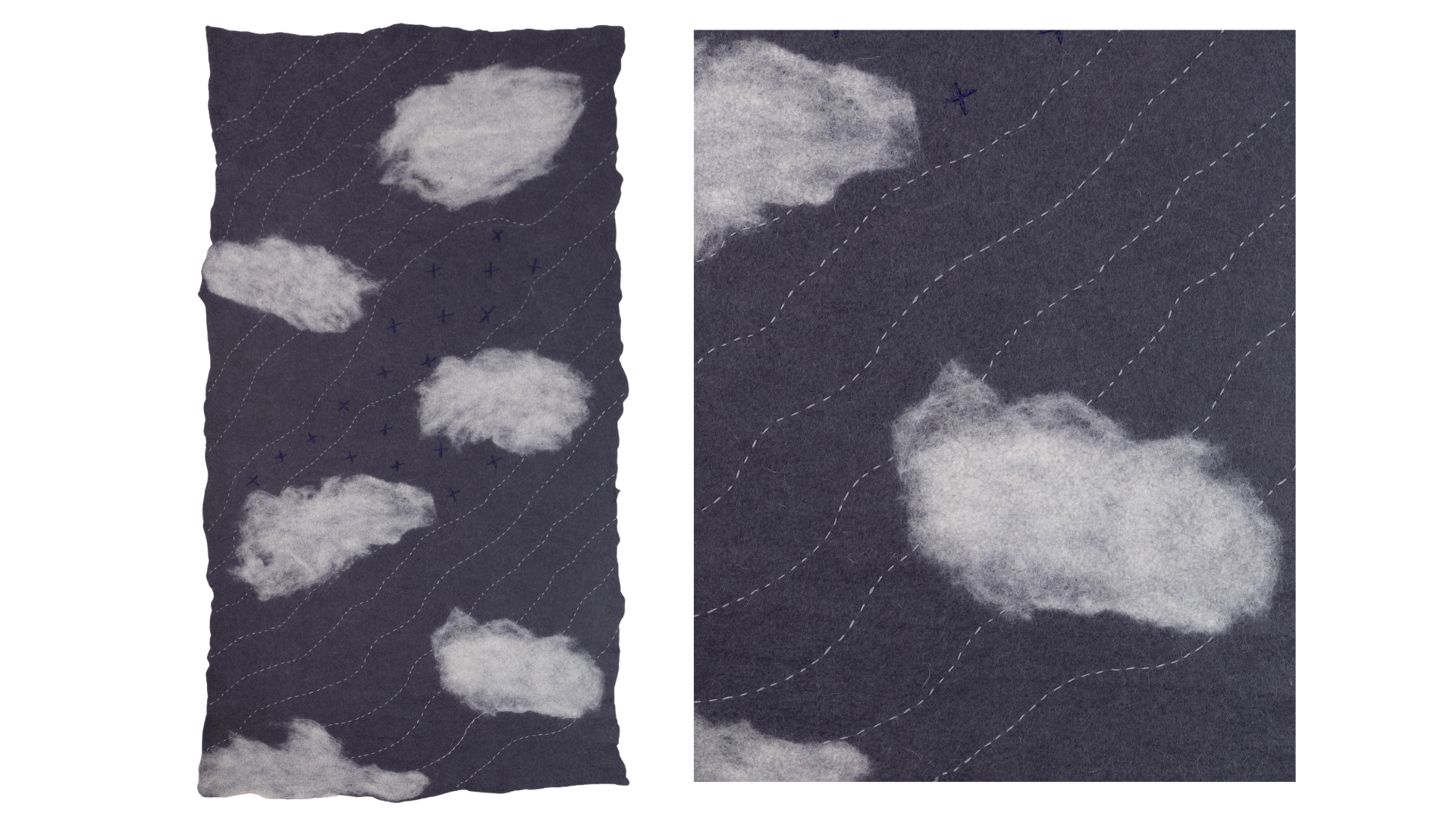
Felted textile. 2025.
4ft x 2ft.
Created by Heidi K. Brandow in collaboration with Kyrgyz felt makers. Bishkek, KG. Exhibited at Language of Place exhibition - Santa Fe, NM 2025. Available for purchase. Inquire at EMAIL.
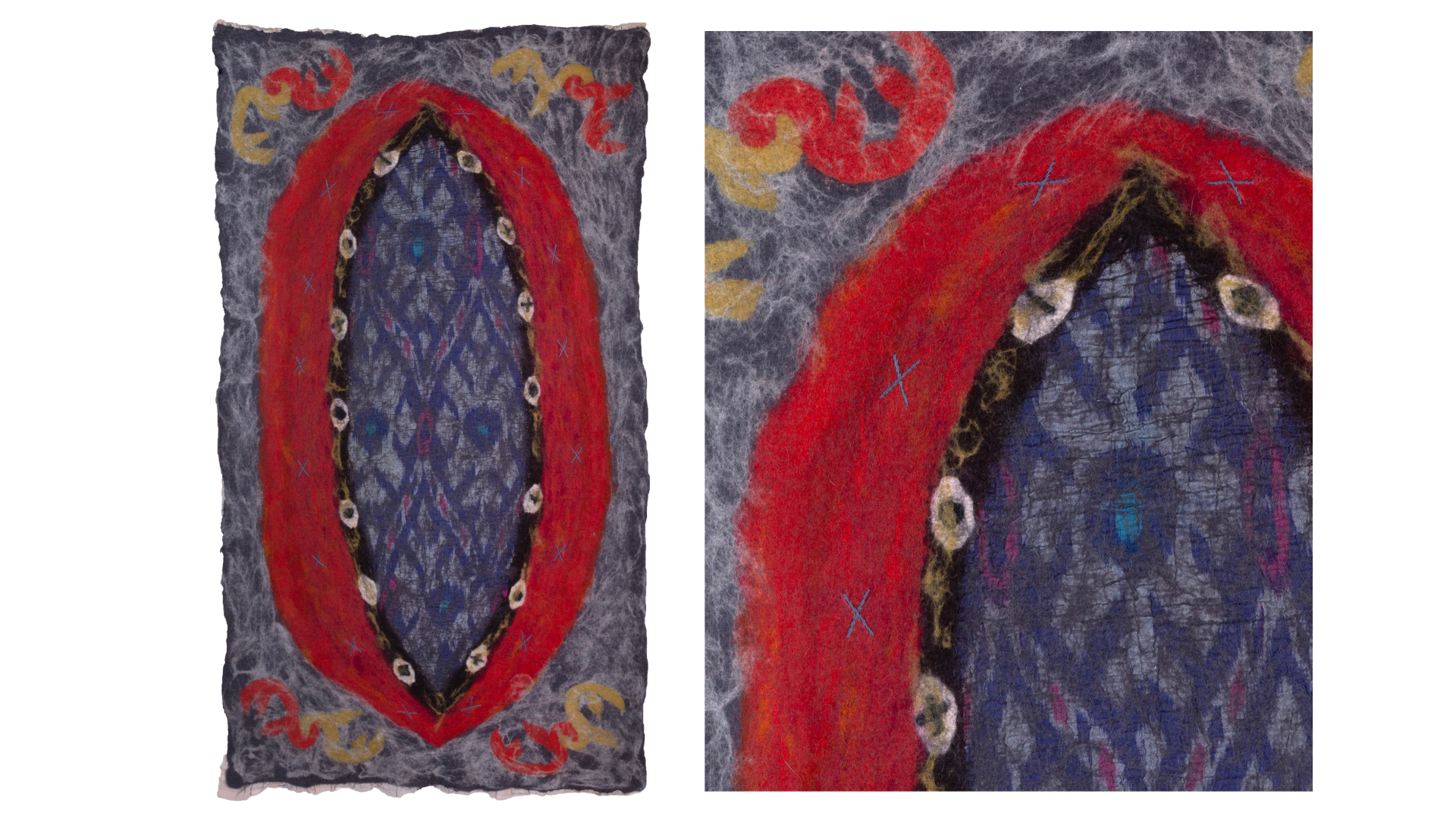
Felted textile. 2025.
4ft x 2ft.
Created by Shaarbek Amankul in collaboration with Kyrgyz felt makers. Bishkek, KG. Exhibited at Language of Place exhibition - Santa Fe, NM 2025. Available for purchase. Inquire at EMAIL.
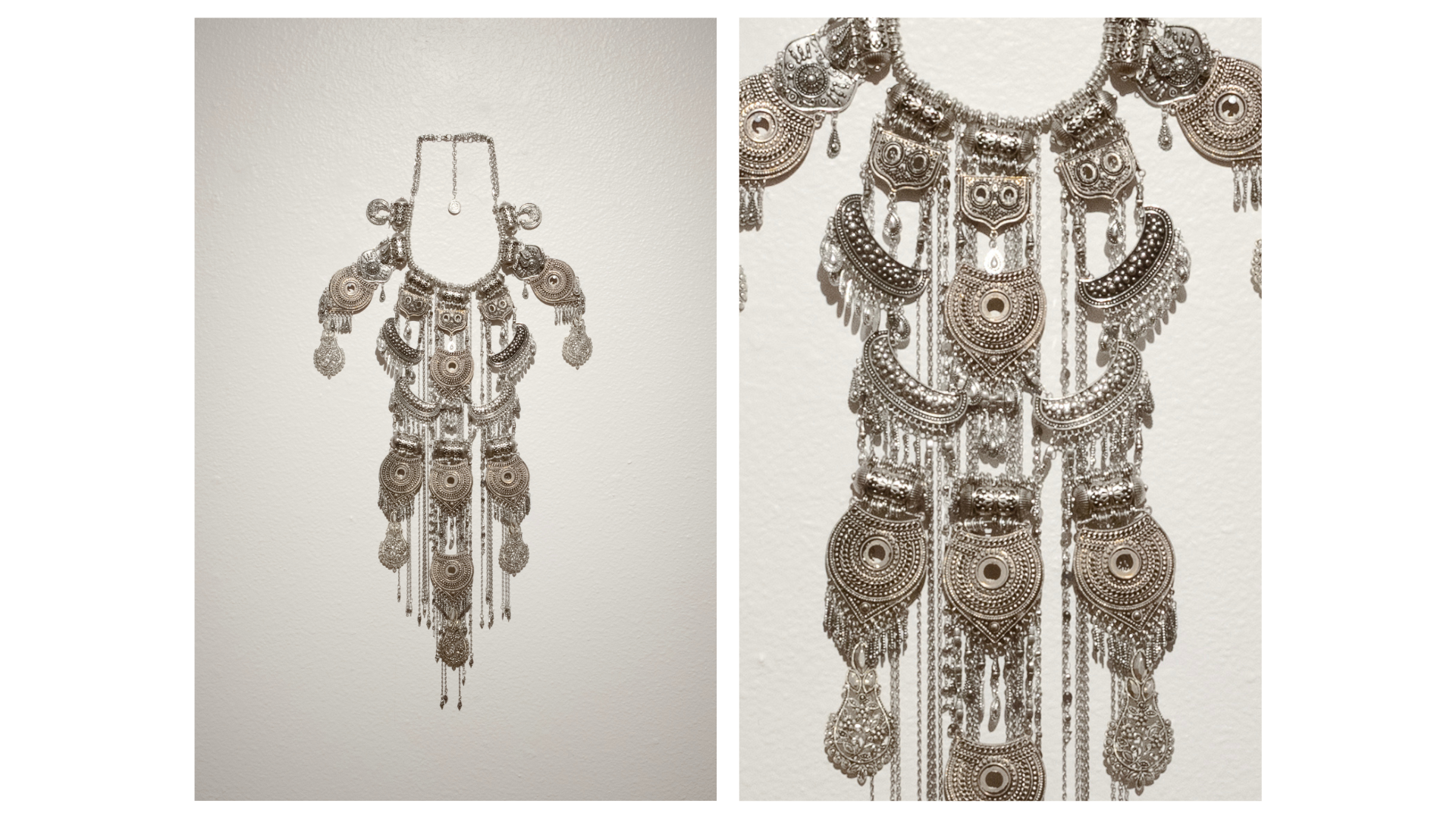
Jewelry piece made in collabration between Shaarbek Amankul + Uzbek artist, Sophia Alessandria for Language of Place exhibition. 2025.
Materials: Jewelry, Metal.
Available - EMAIL for more information.
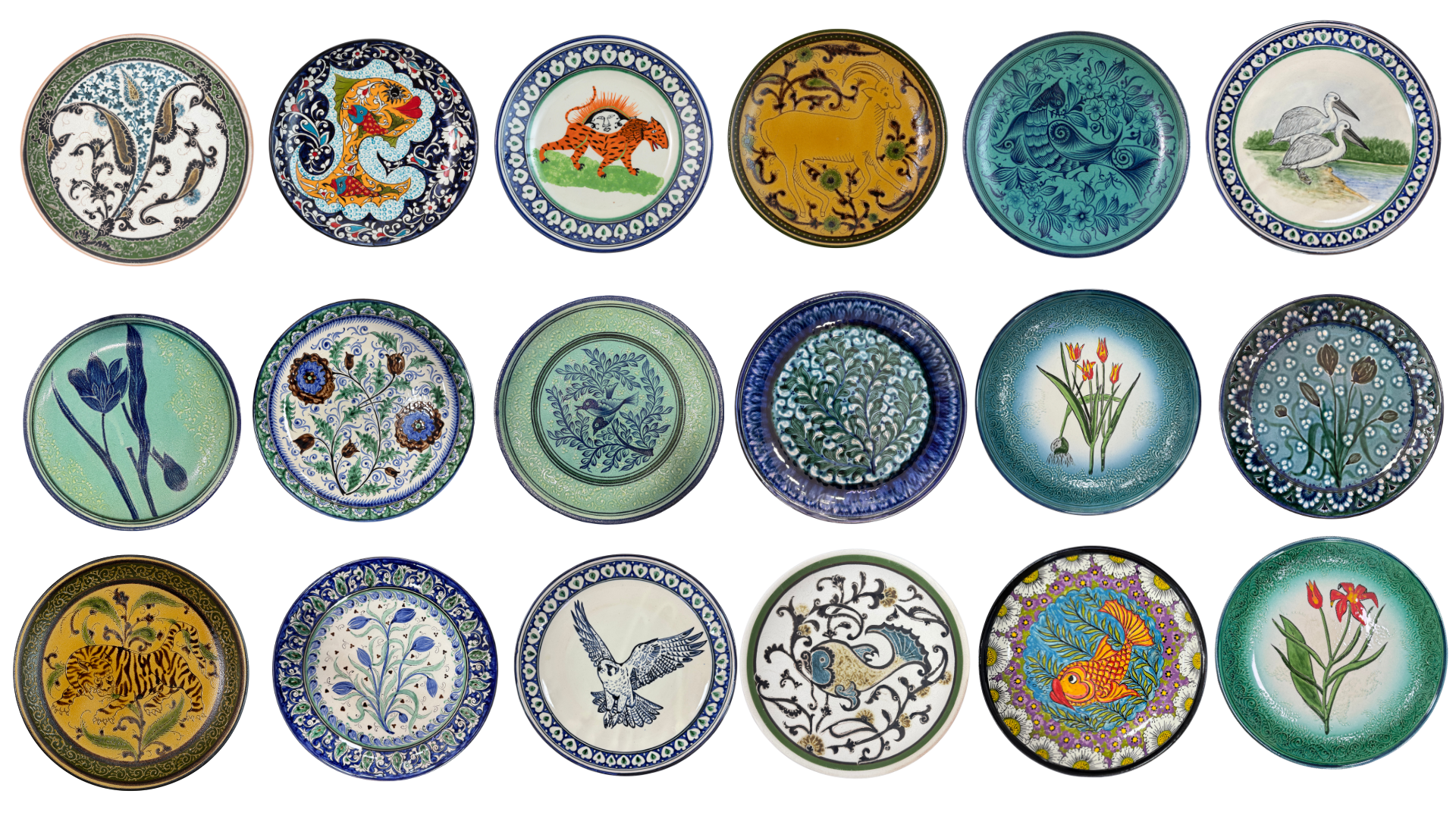
Ceramic plates created in collaboration with master ceramicists from Rishtan, Uzbekistan, for The Language of Place exhibition. This body of work examines the flora and fauna of Uzbekistan, with a particular focus on endemic plants and animals that are endangered or have already become extinct due to environmental degradation and human encroachment.
Select plates remain available for purchase and/or exhibition. Please EMAIL for more information.
An exhibition at Zane Bennett Contemporary highlighting the work of 2024 Nomadic Exchange attendees, Clementine Bordeaux (Lakota), Tom Jones (Ho-Chunk), Shaarbek Amankul & Heidi Brandow (Diné, Kanaka Maoli). Featuring collaborative work created between Heidi Brandow & Shaarbek Amankul.
July 2025-November 2025.
An exhibition at Zane Bennett Contemporary highlighting the work of 2024 Nomadic Exchange attendees, Clementine Bordeaux (Lakota), Tom Jones (Ho-Chunk), Shaarbek Amankul & Heidi Brandow (Diné, Kanaka Maoli). Featuring collaborative work created between Heidi Brandow & Shaarbek Amankul.
July 2025-November 2025.
An exhibition at Zane Bennett Contemporary highlighting the work of 2024 Nomadic Exchange attendees, Clementine Bordeaux (Lakota), Tom Jones (Ho-Chunk), Shaarbek Amankul & Heidi Brandow (Diné, Kanaka Maoli). Featuring collaborative work created between Heidi Brandow & Shaarbek Amankul.
July 2025-November 2025.
The Story Maps Fellowship was supported by the Santa Fe Art Institute, Ford Foundation. Artists refined their social practice methodologies while in partnership with City of Santa Fe municipal departments and the larger community of Santa Fe.
2018.
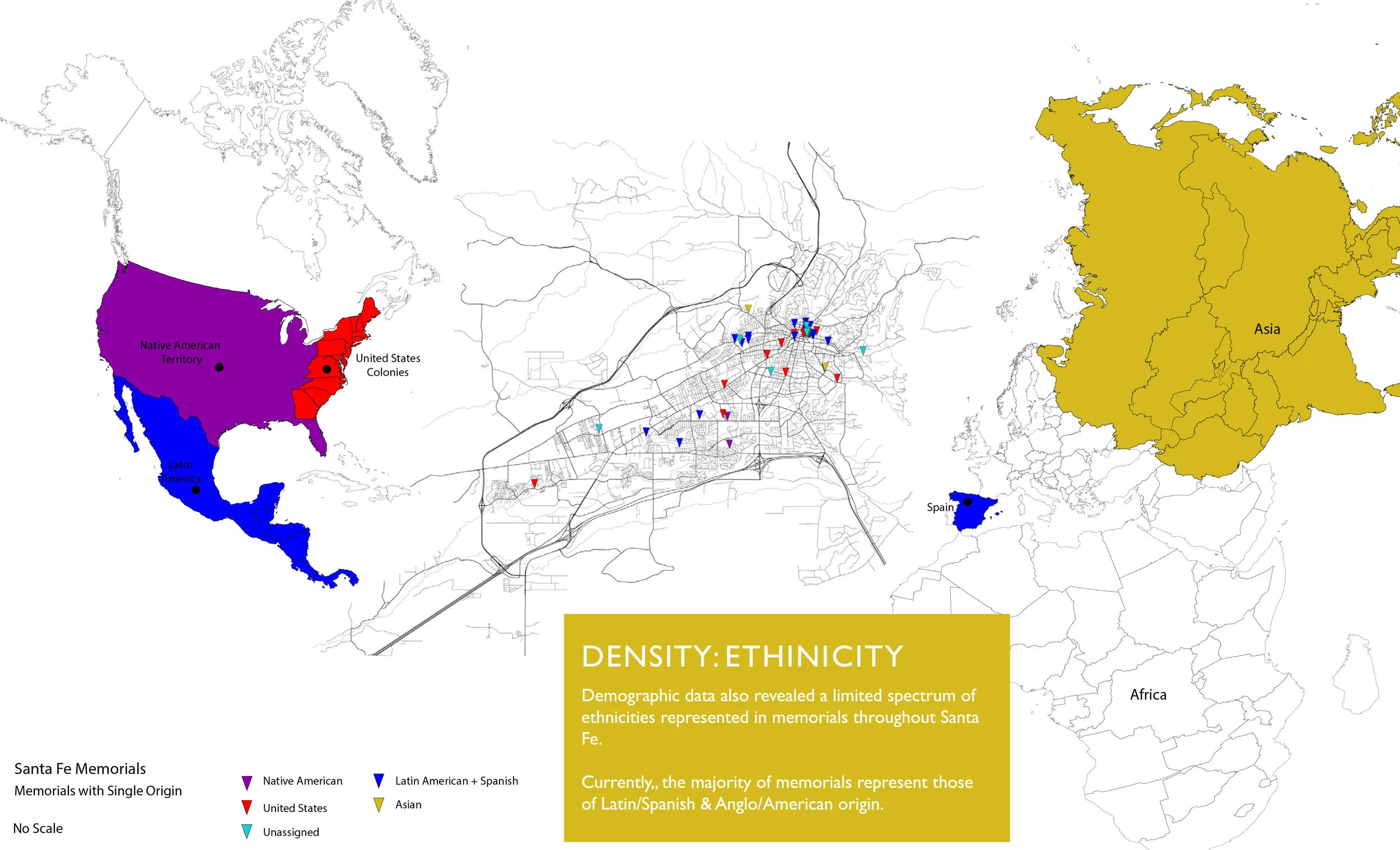
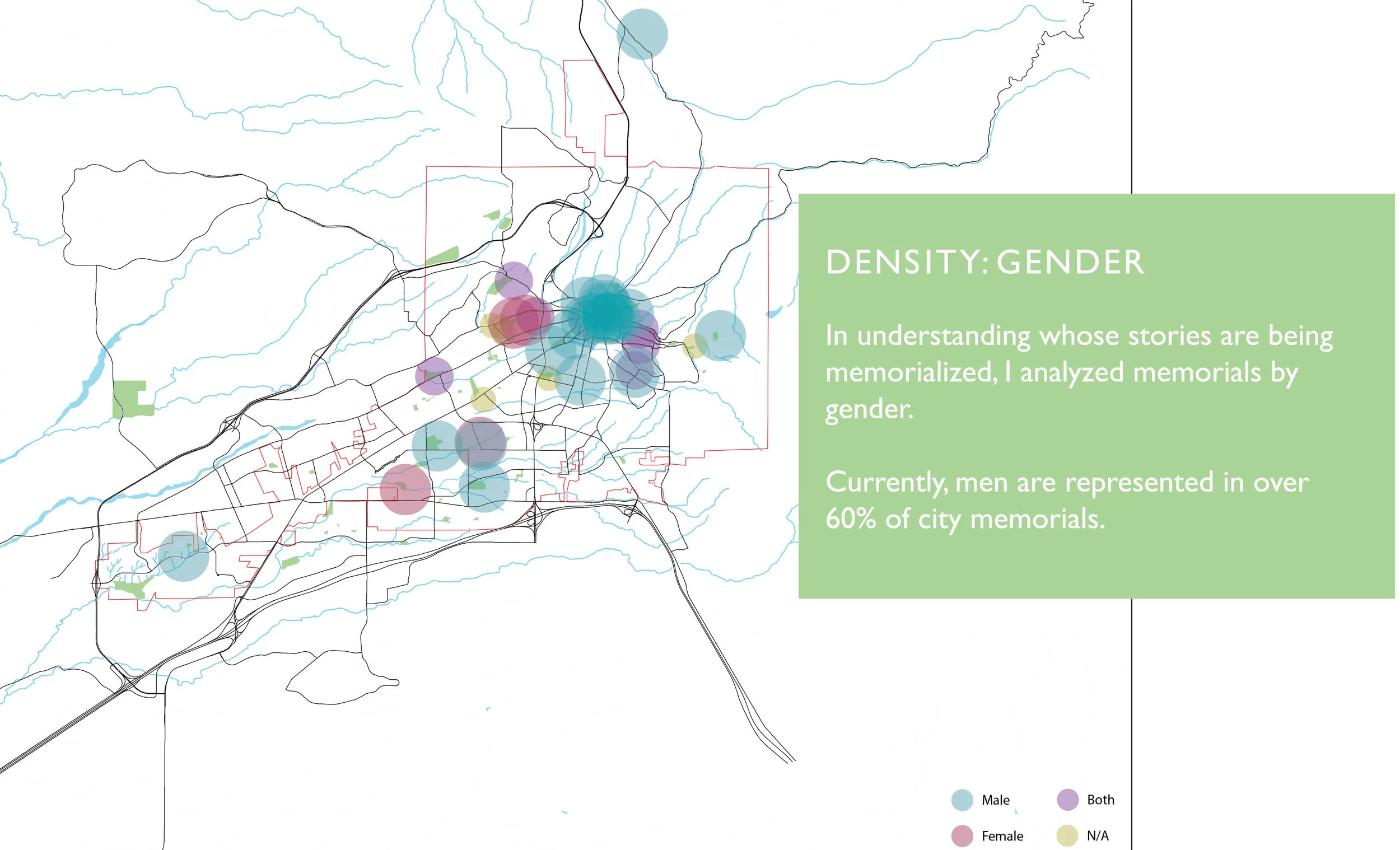
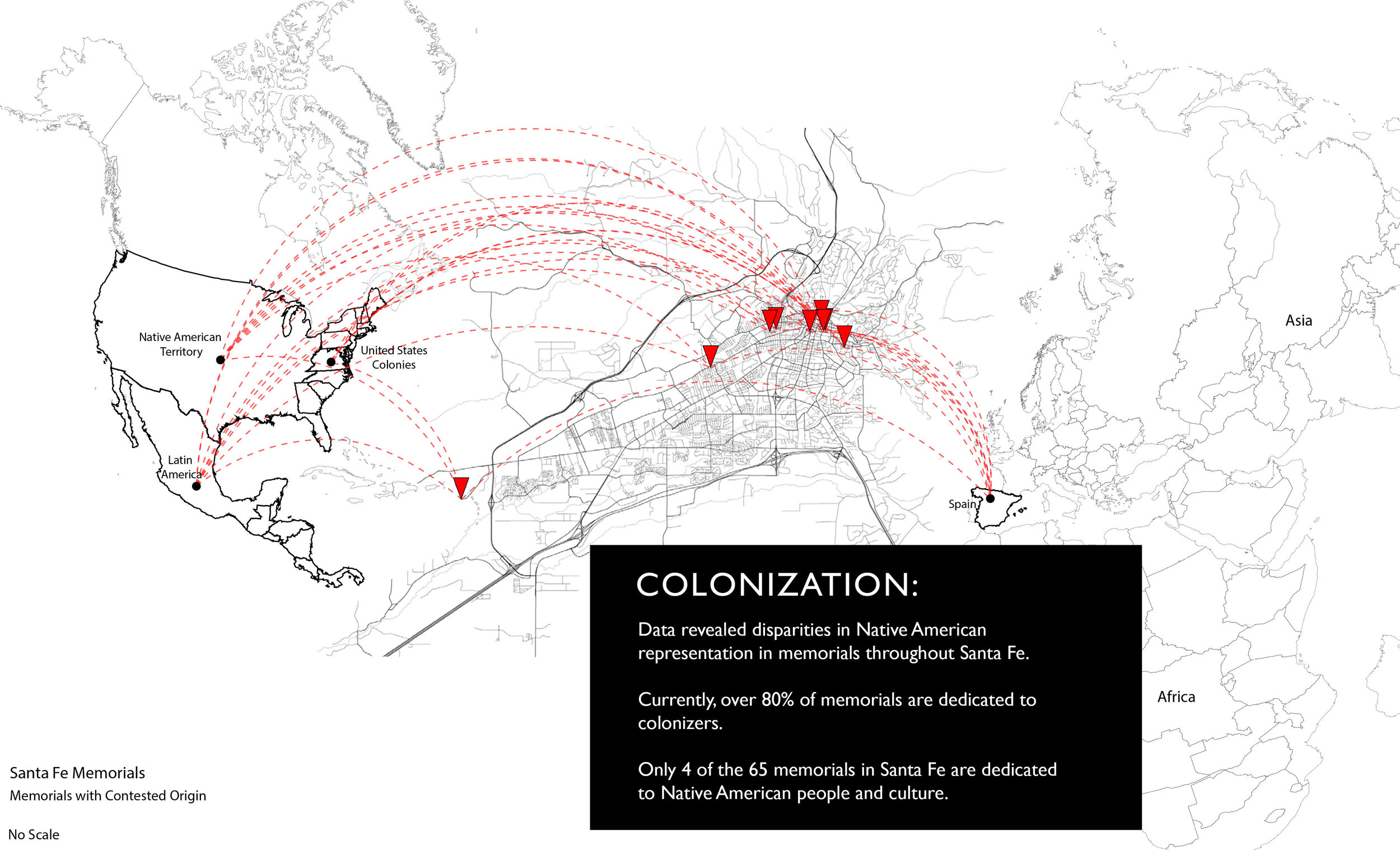
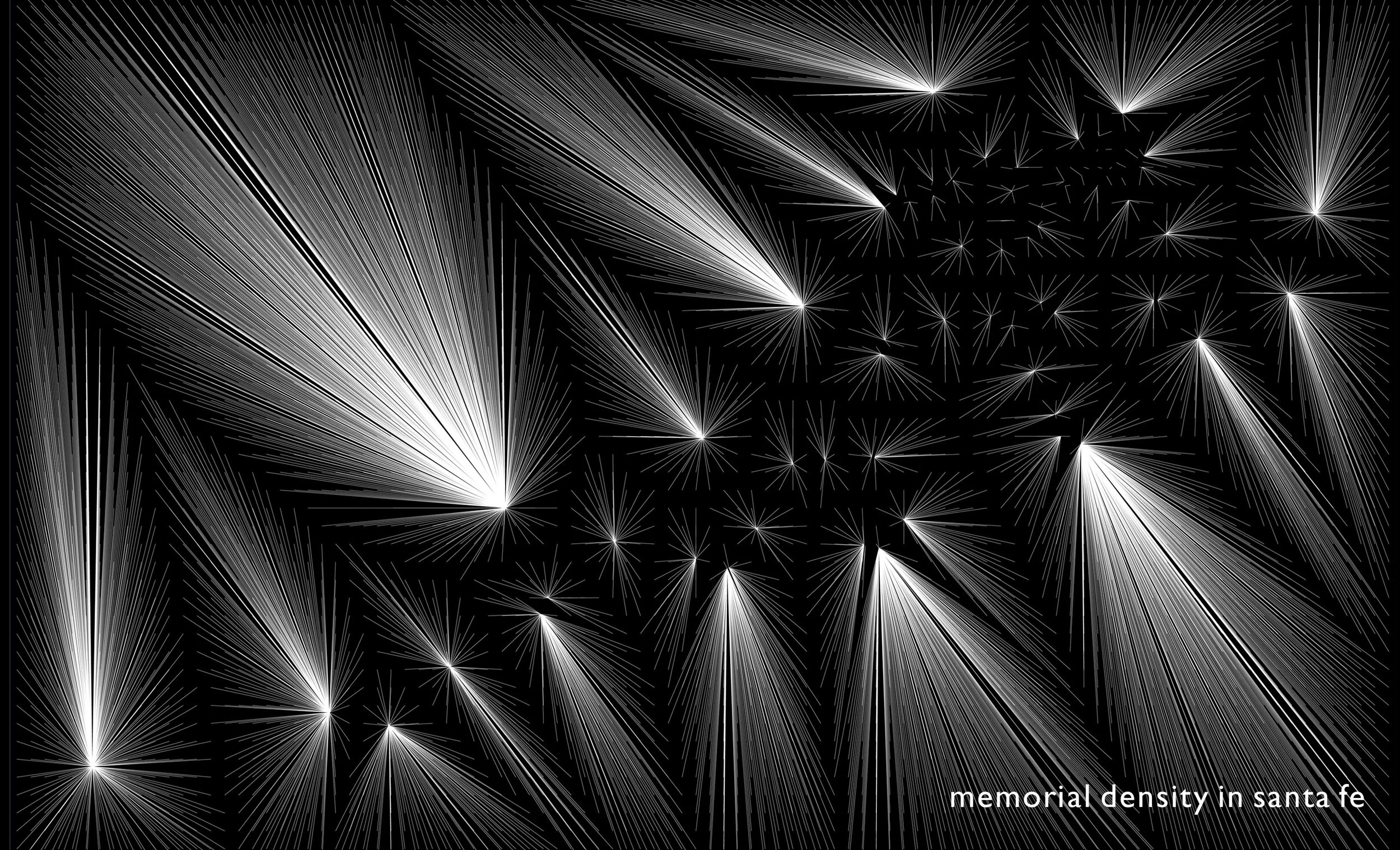
As part of my research and community engagement, I began mapping various variables related to public monuments in the City of Santa Fe. These maps surface data that contribute to a broader narrative—highlighting who is represented, where monuments are located, who has access to these opportunities, and who the intended audiences are, among other insights.
As part of my research and community engagement, I began mapping various variables related to public monuments in the City of Santa Fe. These maps surface data that contribute to a broader narrative—highlighting who is represented, where monuments are located, who has access to these opportunities, and who the intended audiences are, among other insights.
As part of my research and community engagement, I began mapping various variables related to public monuments in the City of Santa Fe. These maps surface data that contribute to a broader narrative—highlighting who is represented, where monuments are located, who has access to these opportunities, and who the intended audiences are, among other insights.
As part of my research and community engagement, I began mapping various variables related to public monuments in the City of Santa Fe. These maps surface data that contribute to a broader narrative—highlighting who is represented, where monuments are located, who has access to these opportunities, and who the intended audiences are, among other insights.
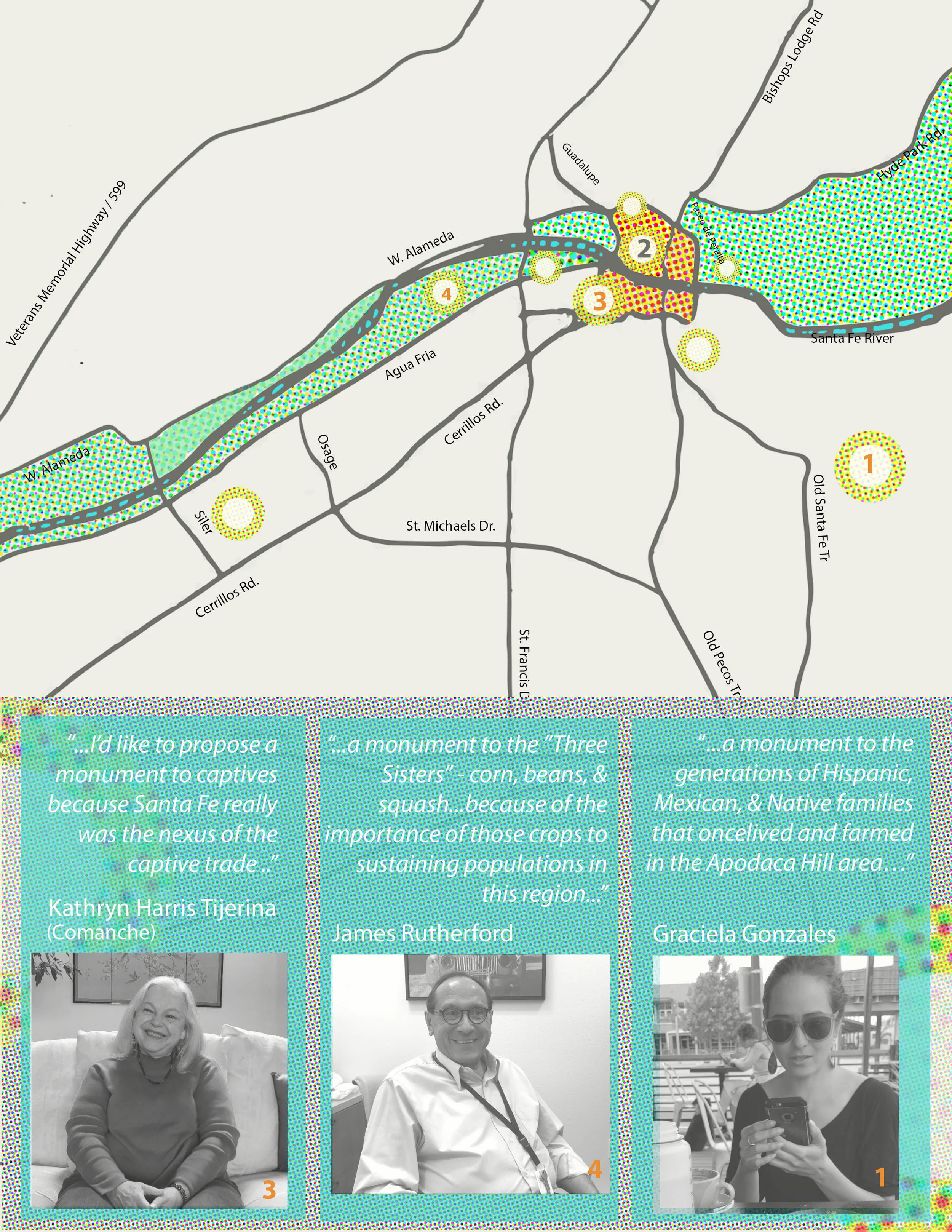
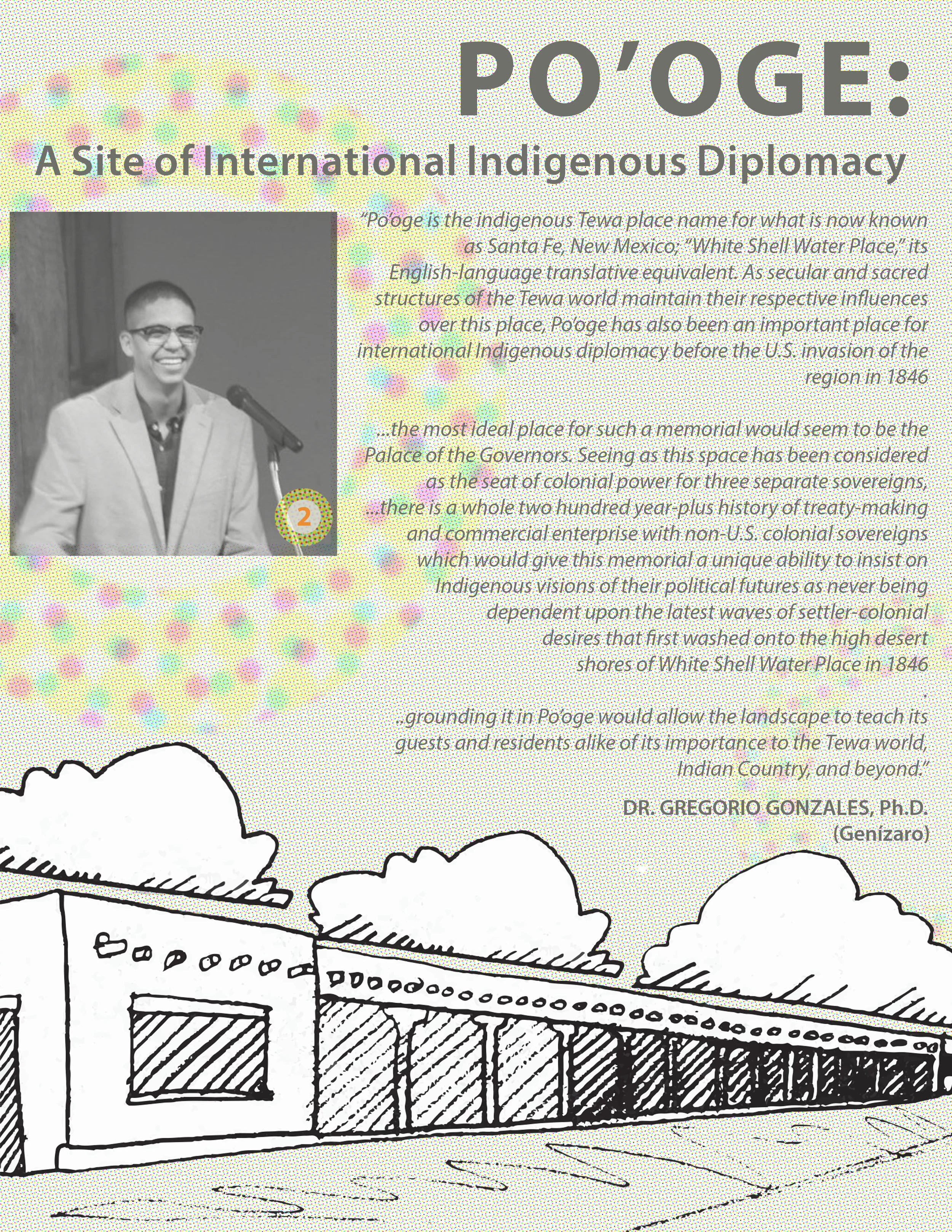
As part of my research and community engagement, I began mapping various variables related to public monuments in the City of Santa Fe. The second phase of the project invited public participation by asking two questions: If you could build a monument, what would it be? And where would it be located? These conversations generated a wide range of ideas and revealed a strong enthusiasm for collectively imagining what communities want to memorialize, where, and why. The results were later published in the Santa Fe Reporter and featured in a National Geographic article in 2020.
As part of my research and community engagement, I began mapping various variables related to public monuments in the City of Santa Fe. The second phase of the project invited public participation by asking two questions: If you could build a monument, what would it be? And where would it be located? These conversations generated a wide range of ideas and revealed a strong enthusiasm for collectively imagining what communities want to memorialize, where, and why. The results were later published in the Santa Fe Reporter and featured in a National Geographic article in 2020.
a social engagement project involving film, photography, and community-based collaboration based in İstanbul, Türkiye
a social engagement project involving film, photography, and community-based collaboration based in İstanbul, Türkiye
a social engagement project involving film, photography, and community-based collaboration based in İstanbul, Türkiye
a social engagement project involving film, photography, and community-based collaboration based in İstanbul, Türkiye
a social engagement project involving film, photography, and community-based collaboration based in İstanbul, Türkiye
a social engagement project involving film, photography, and community-based collaboration based in İstanbul, Türkiye
a social engagement project involving film, photography, and community-based collaboration based in İstanbul, Türkiye
a social engagement project involving film, photography, and community-based collaboration based in İstanbul, Türkiye
a social engagement project involving film, photography, and community-based collaboration based in İstanbul, Türkiye
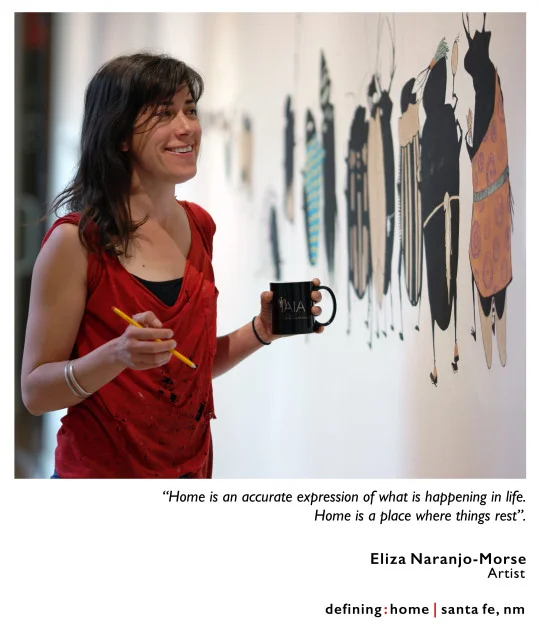
defining: home is a socially engaged art project that gathers stories, experiences, and both individual and collective understandings of what “home” means.
While I was an artist-in-residence at Halka Sanat Projesi in Istanbul, Turkey, in 2014, Turkey and the European Union were experiencing a significant influx of political refugees from Syria and other Middle Eastern countries. Thousands of displaced people—men, women, children, and elders—filled the streets of Istanbul, facing extreme uncertainty and hardship, while many Turkish residents were overwhelmed by the scale of need.
The intensity of this moment was impossible to ignore. As a Diné (Navajo) and Native Hawaiian artist, the experience prompted deep reflection on my own cultural histories of displacement, conflict, genocide, and the ongoing struggle for access to basic human rights. Through conversations with Turkish nationals, expatriates, and refugees, I was moved to create a project that would bear witness to this moment and center lived experience.
With the generous support of the Turkish Cultural Foundation, defining: home officially began in Istanbul in 2015. This photography and film project documents the shifting and deeply personal definitions of “home” as shared by Turkish residents and refugees living in Turkey. Through these stories, participants reflect on one of the most fundamental human rights: the right to have a home.
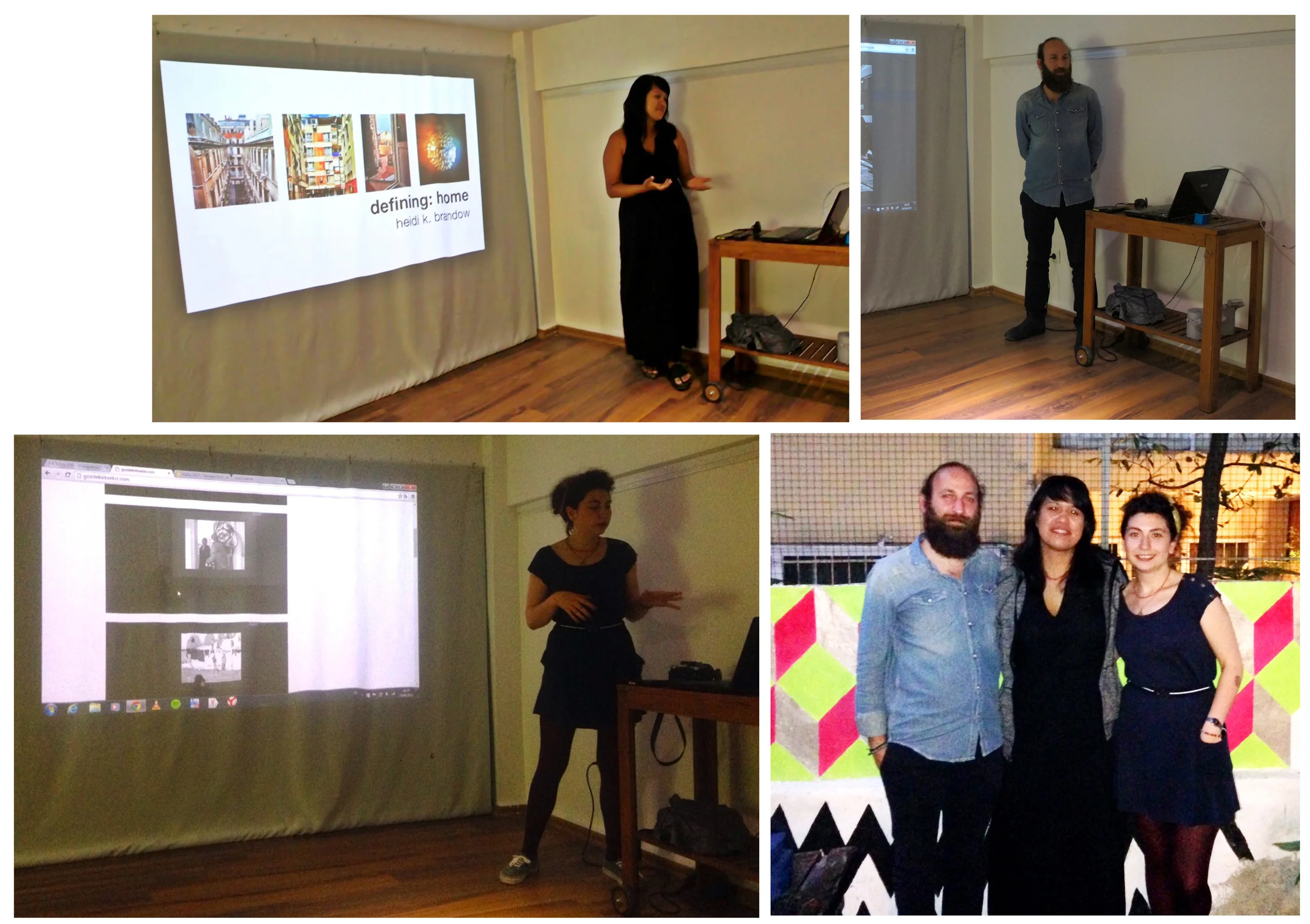
In 2015, the defining: home project's first group of artists included:
The "defining: home project" - Turkey involved photo documentation of residents while also documenting the places/home-sites of people residing in Turkey. In addition to independent research and photo documentation, "defining: home project - istanbul" included an exhibition, presentations, and discussions of participating artists work, These events were made possible in part by Halka Sanat Projesi and Pi Artworks.
artist presentations @ halka sanat projesi
istanbul, turkey
june 2015
artist presentations @ halka sanat projesi
istanbul, turkey
june 2015
exhibition @ halka sanat projesi
june 2018
istanbul, turkey
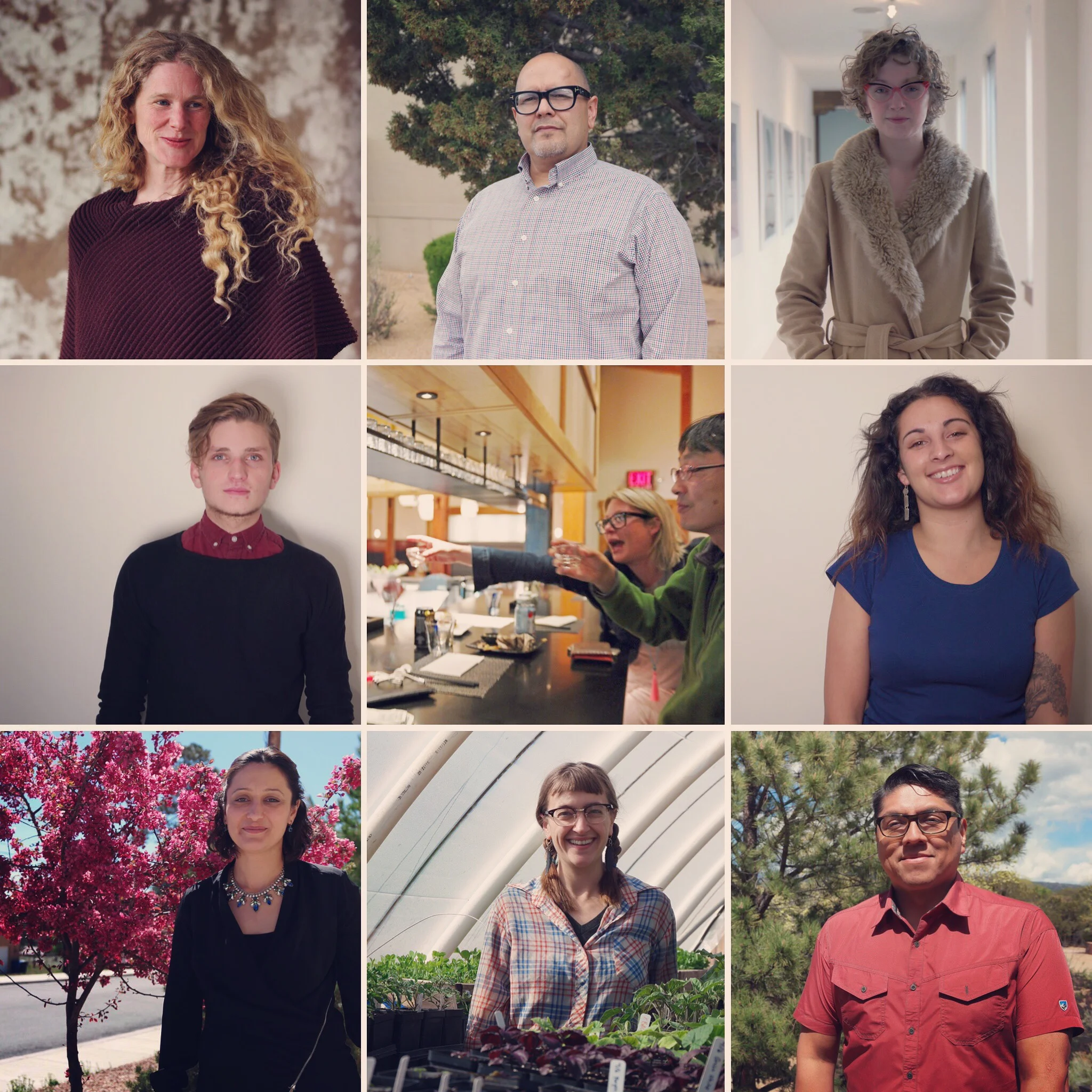
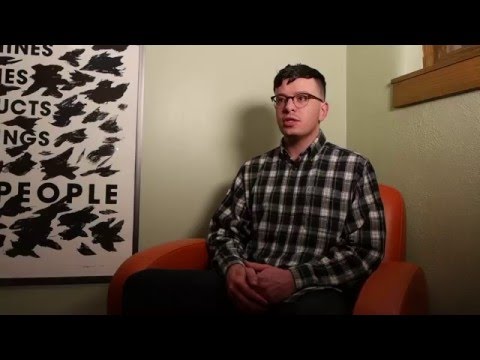
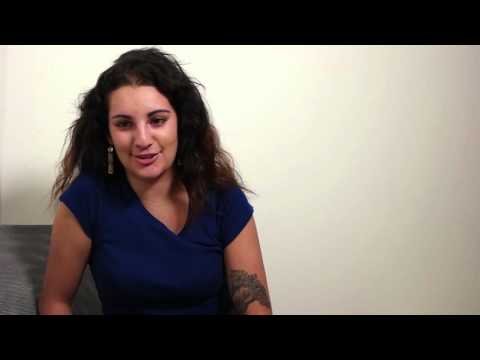
In 2016, defining: home was expanded through support from the National Museum of the American Indian, Smithsonian Institution, and the Museum of Contemporary Native Arts (MoCNA) Social Engagement Artist Residency. In this second iteration, residents and non-residents of Santa Fe, New Mexico, shared their diverse and evolving definitions of home.
April 2016
Pictured:
Max Carlos Martinez, Eliza Naranjo Morse, Carolyn Riman
Santa Fe, NM, USA
April 2016
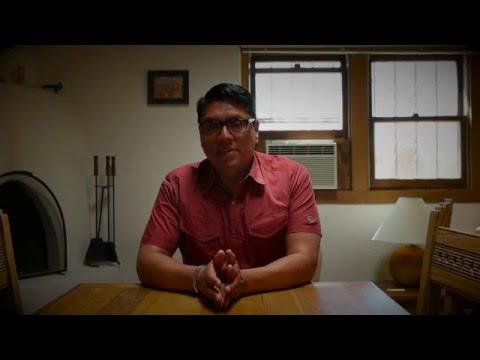
Brian Vallo (Acoma Pueblo)
santa fe, nm, usa
april 2016
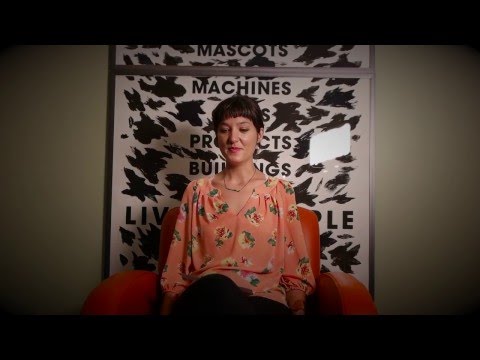
Laura Fischer
santa fe, nm, usa
april 2016
Reuben Hesselden
santa fe, nm, usa
april 2016
Alexa Mangrum
santa fe, nm, usa
april 2016
Kaz Tani
santa fe, nm, usa
april 2016